Search engine optimisation

SEO for businesses in Cornwall and Devon.

Which enquiries would you like more of? We find the searches behind them, improve the pages people land on and make it easier to get in touch. Our studio is in Pelynt, Cornwall. Most of our clients are in Devon, and we work with teams across the UK.

Search strategy

Follow an enquiry back to the search.

Someone searching for a commercial property and someone looking for an agent to sell one may use similar words. They need different pages. We start by understanding what a good customer comes to you for.

Find the pages worth changing.

We use Google Search Console to see which searches bring up your website and which pages earn the clicks. We also check what Google can reach. A broken redirect, a missing service page and a page attracting the wrong audience each call for a different fix.
Answer the buying questions.

Who is the service for? Where is it available? What affects the price? We shape page titles, copy and internal links around those decisions, then put a relevant example of your work close to the enquiry.

Test the last few steps.

We follow the route on a phone. Can someone tell they have the right business, find the number or request a quote? We test where the form goes and check that a successful submission is recorded once.

Examples from the studio

Search strategy you can see.

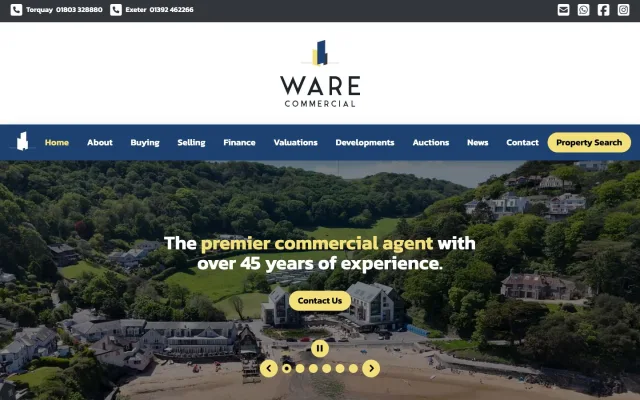
Ware Commercial · Exeter, Devon

One route for buyers. Another for sellers.

We paired property types with locations in listing titles and descriptions, so buyers can recognise a relevant opportunity. Owners looking to sell have a separate route to valuations and advice. Ware’s team can update the listings themselves.

Explore Ware Commercial

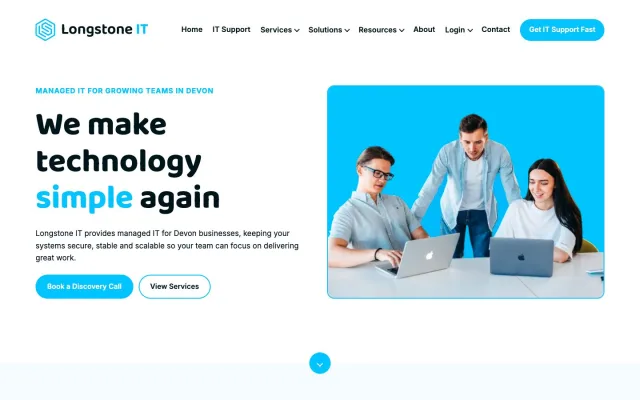
Longstone IT · Kingsbridge, Devon

Give each IT enquiry a clear destination.

Longstone’s existing customers have a direct route to support. Businesses comparing managed IT services can explore the offer and ask for advice. We linked a searchable glossary from the service content so buyers can look up unfamiliar terms as they go.

Explore Longstone IT

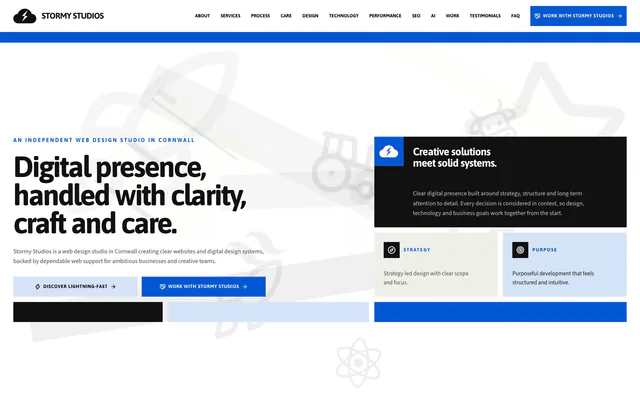
Stormy Studios · Pelynt, Cornwall

Put the technical checks on record.

We publish mobile and desktop Lighthouse results for our own website, with a dated history you can inspect. These checks cover loading performance, accessibility and technical SEO. Search Console and the enquiries we receive tell us how people find and use the site.

See our performance history

Inside the work

The decisions behind a searchable website.

A slow property listing, an out-of-date service page and a missing map entry can all cost enquiries. Each needs a different specialist decision. Here is what we look for and how we decide what to change.

Which pages should Google find?

We map each important search to a useful destination. For a property site, that could mean a permanent page for hotels for sale in Devon, alongside individual listings that come and go. We check internal links, XML sitemaps, redirects and canonical URLs so search engines can find the current version. We also inspect the rendered HTML to see whether the details survive when JavaScript loads slowly.

What makes the content worth reading?

We ask the people doing the work what customers need to know before they buy. A service engineer can explain callout coverage. A commercial agent can explain what a valuation includes. We turn that knowledge into useful headings, plain-English answers, original photographs or a worked example. Where two pages answer the same question, we decide which to improve and how to bring the material together.

What makes a backlink worth earning?

A backlink is a link from another website. We look for a publisher whose readers have a reason to visit yours. A manufacturer listing an approved installer, a Devon trade body linking to a member or a partner crediting a joint project can all make sense. We check the publisher, the audience and the destination before approaching anyone. Paid placements are identified as sponsored. We review referral visits and the enquiries that follow.

What needs to load faster?

We use Lighthouse to repeat mobile and desktop tests under controlled conditions. Real-user Core Web Vitals, where enough data exists, show how quickly the main content appears, how promptly the page responds and whether the layout shifts. A slow hero photograph may need a smaller image and earlier loading. A sluggish form may need less JavaScript. We retest the affected page after each change.

Can everyone use the page?

We check text contrast, headings, descriptive links and form labels, then try the actual journey with a keyboard, at higher zoom and with reduced motion. We check screen-reader announcements where a form changes state. A visitor who misses a required field should hear what went wrong and be able to correct it. Automated accessibility checks help us find issues. Hands-on testing shows whether the journey works.

Does the design help someone decide?

We choose what people see first, what evidence sits beside a claim and which action makes sense at that moment. A Ware buyer needs photos, particulars and a viewing enquiry. A business choosing an IT provider needs to understand the support on offer before booking a conversation. We test those routes on a phone, including tap targets, form errors and confirmation messages.

Explore our website technology and care

Managing the programme

How we decide what to do next.

You know which work is profitable and where you have capacity. We bring search data, design judgement and the ability to put changes live. Together we use those facts to choose the next piece of work.

Agree the starting point.

We record the pages and queries already bringing customers, the areas you can serve and what counts as a qualified enquiry. We agree how to measure forms, calls and accepted quotes with appropriate consent. The opening review gives you a baseline and a named priority.

Put the budget where it matters.

We weigh likely commercial value against effort, evidence and risk. If customers cannot submit a quote request, that repair comes first. If a service page earns relevant impressions and few clicks, we investigate its search result and the pages competing with it. You see the proposed work, who owns it and the cost before it begins.

Release changes with care.

We agree who can approve technical changes and who can verify specialist copy. We test on a preview, preserve valuable URLs and record what went live and when. After a release we check redirects, indexing signals, analytics and the enquiry route. If something breaks, that record helps us trace it and restore the working version.

Review the quality of the enquiries.

Each review connects Search Console clicks with landing pages and the work your team actually won. We account for seasonality, changes in demand and the time Google takes to revisit a site. You can see what improved, what remains uncertain and whether the next budget is best spent on content, technical work or outreach.

Scope and budget

What your SEO budget buys.

A changing property portfolio needs different attention from a local firm with three core services. We agree the work and its cost with you up front. Your fee covers the studio’s analysis, implementation and review. We agree a review period long enough to see what changes as Google revisits the site.

A focused review.

We identify which pages need attention, explain the reason and price the changes. You can use the findings with your own team or ask us to carry out the work.

Ongoing SEO.

A month might include repairing redirects, improving a service page and testing its enquiry form. At each review you can see what went live, how relevant clicks and enquiries changed, and where we recommend spending the next month’s budget.

Before you invest

Questions about SEO.

How soon can we judge the results?

We can test a technical fix as soon as it goes live. Google then needs time to revisit the pages, and you need enough enquiries to see a pattern. Allow several months to judge a programme. For a seasonal business, we compare the same trading period last year where records allow.

Can you work on a site that already ranks well?

Yes. We record which searches and pages already bring customers, keep successful URLs in place wherever practical and make changes in stages. That gives us a reference point when we introduce a new service or target a second county.

Does every town need its own page?

Often a single service page can explain your coverage. A town deserves its own page when you have something specific to say, such as a staffed branch, different availability or a local project that answers a customer’s question.

How can we tell which enquiries came from search?

We check how completed forms and calls are measured, then review them alongside search clicks and your team’s account of the enquiries. Where you can match an enquiry to an accepted quote, that gives us a much better basis for deciding what to do next.

Talk to the studio

Which service would you like to grow?

Send us your website, the work you want more of and the places you can serve. If enquiries have changed recently, tell us when. That gives us a useful starting point for a conversation about priorities and budget.